Fri, 31-May-19 10:00 AM
Anthropological filmmaking: Lessons learned As young novice in Anthropology in the field, I made drawings of people and asked children to do the same thing; I also took pictures and … read more
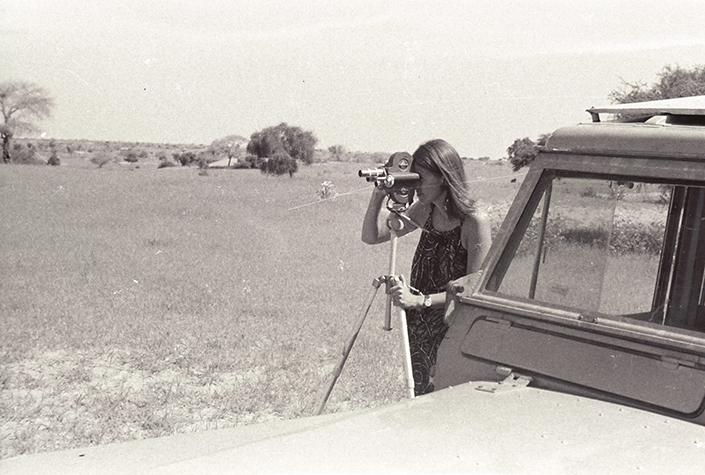
For decades, Swiss traveller and filmmaker René Gardi (1909-2000) explained the African continent and its inhabitants to us. In books, television programs and films, he waxed poetic about the beautiful … read more
The Arhuaco live in the highest mountains of Colombia. They wear their traditional white clothes as they have for many centuries and maintain their culture and spirituality, which is tightly … read more
Alhajji Ibrahim Gonji is an Islamic scholar. For 46 years, he has served as judge at the Sultanate of Ngaoundéré in Northern Cameroon. The film follows Alhajji during the last years of his life, focussing on the relationships in a polygamous family, seen from the perspective of the wives and their husband. The film (shot in years 1997-2001 and edited only now) presents a way of life that is typical of the societies and cultures of Borno and Adamaoua provinces (Nigeria and Cameroon) where people living far away from the capital centers, struggle to adapt to modern education, strong marginalization and increasing poverty. In recent years, the region has been under constant threat of the Boko Haram insurgency.
Emmanuel Gras says that the idea for his film was quite simple. Kabwita, his protagonist from Kolwezi in the south of the Congo, makes a living from charcoal burning. Normally, … read more
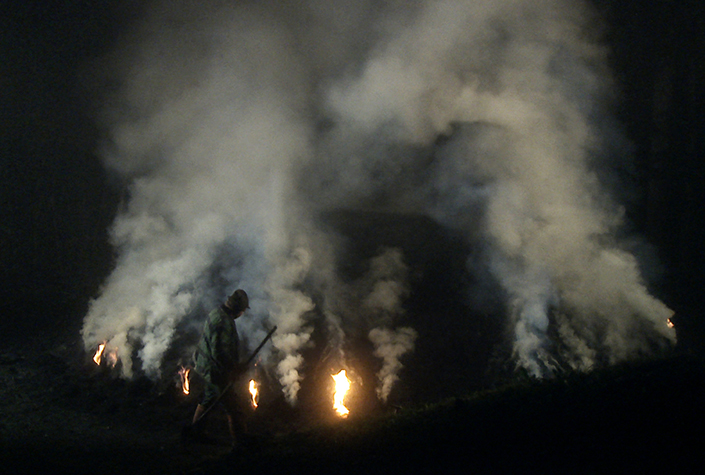
In Switzerland, traditional charcoal burning is still a trade. Each summer, smoke rises out of the charcoal piles, or kilns. The procedure takes five weeks. The meticulous stacking of the … read more