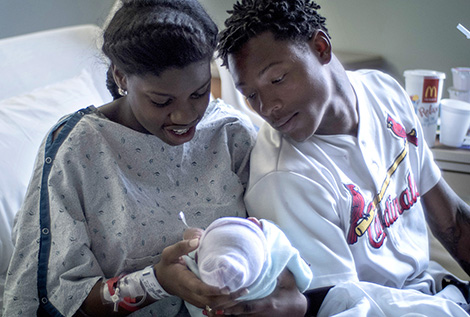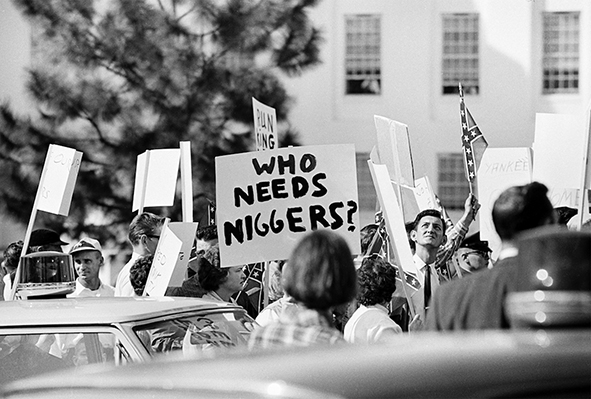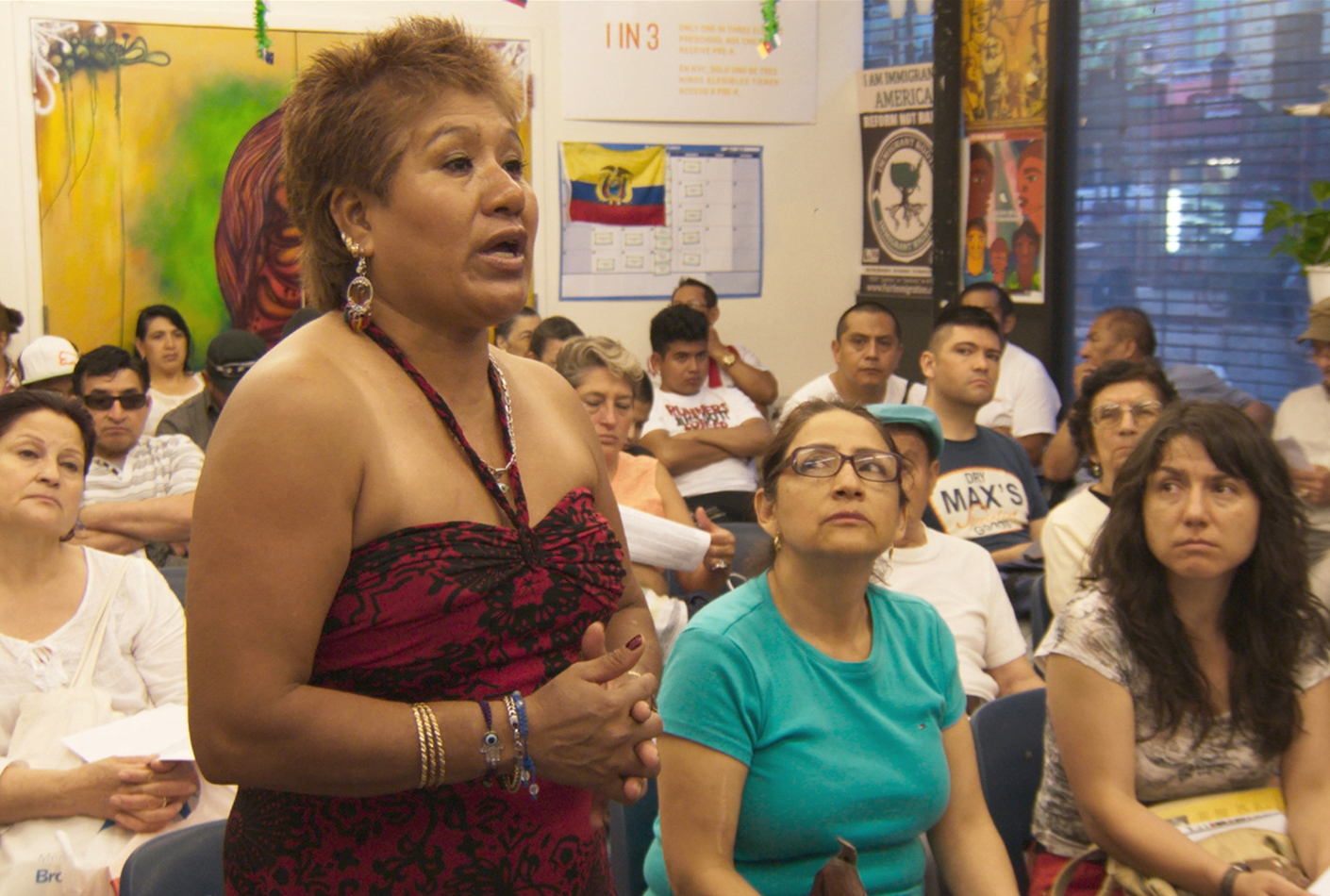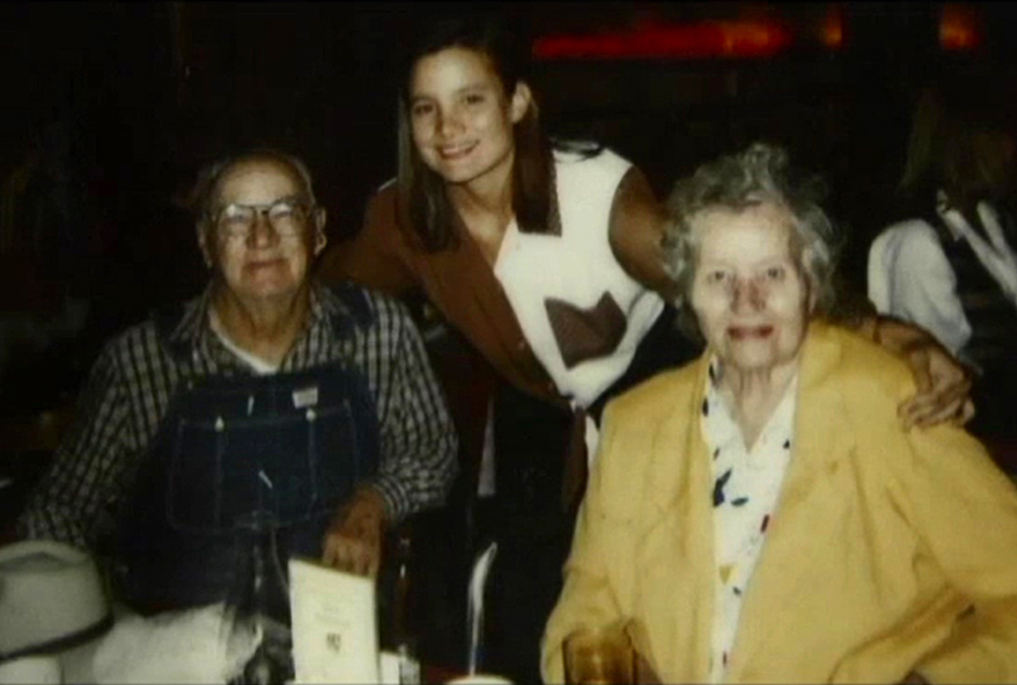
What is this land that promises a better future for so many people, luring them to come and settle, to cultivate it, to live? What is this land whose reality is hidden behind myths, keeping us from seeing what lies under the surface – what is buried in the earth, in sand, in history. In this film, fragmentary memories – of childhood, of smells, and of the colors of clothing – form a foundation that shines like a mosaic, although it is well understood and taken into account that each individual story is always just one of a countless many. Like concentric circles emanating from the personal story, FREE LAND also expands in very different directions as a film with historical shots, distorted photographs, double exposures, and the voice of the female narrator, who asks questions, while also offering explanations. A filmic essay that deals with a major subject while also managing to stay small – in the very best sense of the word – in every second, because the history of the United States is immense and full of enough suffering as it is. (Viennale)
Minda Martin tells the story of her own family, who are barely able to get by and are constantly on the brink of homelessness. Her father can only find short-term jobs, and her family has moved more than 70 times. A descendant of the Cherokee Indians on her mother’s side, Martin establishes a compelling connection between the 200 years of white settlement and the poverty of the existing landless population.
--
Minda Martin studierte Film an der University of Arizona und am California Institute of the Arts. Sie realisierte persönliche und experimentelle Dokumentarfilme, die sich mit sozialen und rassistischen Themen befassen. Ihre Arbeiten wurden auf zahlreichen internationalen Festivals gezeigt und ausgezeichnet. Sie unterrichtete Film an verschiedenen Universitäten, zurzeit lehrt sie an der California State University San Marcos.
Filme: MOTHER’S HERITAGE (1996), AKA KATHE (2000), LOVE, MINDA (2003), THE LONG DISTANCE OPERATOR (2012, part of FAR FROM AFGHANISTAN, see John Gianvito).